

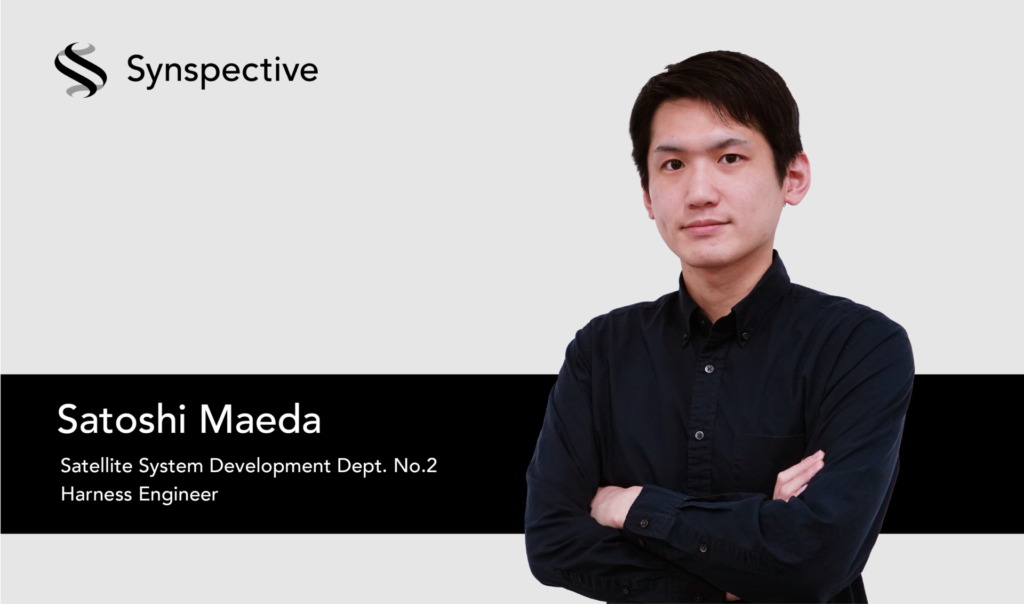
Synspective is on a mission to mass-produce small SAR satellites. One of the biggest keys to scaling this technology lies in the design of the “nerves” of the spacecraft, the wiring harness.
We sat down with Satoshi Maeda, who leaped from the automotive industry into the space-tech startup world. He is currently leading the charge to refine and scale harness design for the next generation of satellites. We talked to him about his transition and why Synspective is the perfect place for young engineers from any background.
Applying Automotive “Design for Manufacturing” to Space
Interviewer (PR): Tell us a bit about your career before you joined the team.
Satoshi: I spent four years in the automotive industry, focusing on the design and development of wiring harnesses. My experience covered everything from initial specifications to production coordination with factories and cost reduction, the full spectrum of practical work required for mass production.
I actually studied aerospace materials in university, so I’ve always had an interest in the space sector. When I heard Synspective was moving toward mass-producing satellites, it felt like the perfect opportunity to apply my automotive “know-how” to a new frontier.
Interviewer (PR): Was it a difficult transition, coming from such a different industry?
Satoshi: I dove in with almost no prior experience in space, but I was welcomed with incredible warmth. One moment stands out: I suggested looking into automotive harness specifications, and the team actually gathered around the physical parts to study them. These space development experts showed genuine respect for automotive technology, discussing it with an open, level perspective. It made me realize that Synspective has a culture of looking past industry barriers to adopt the best ideas, regardless of where they come from.
Design Driven by Hands-On Design
Interviewer (PR): What do you find most rewarding about your current role?
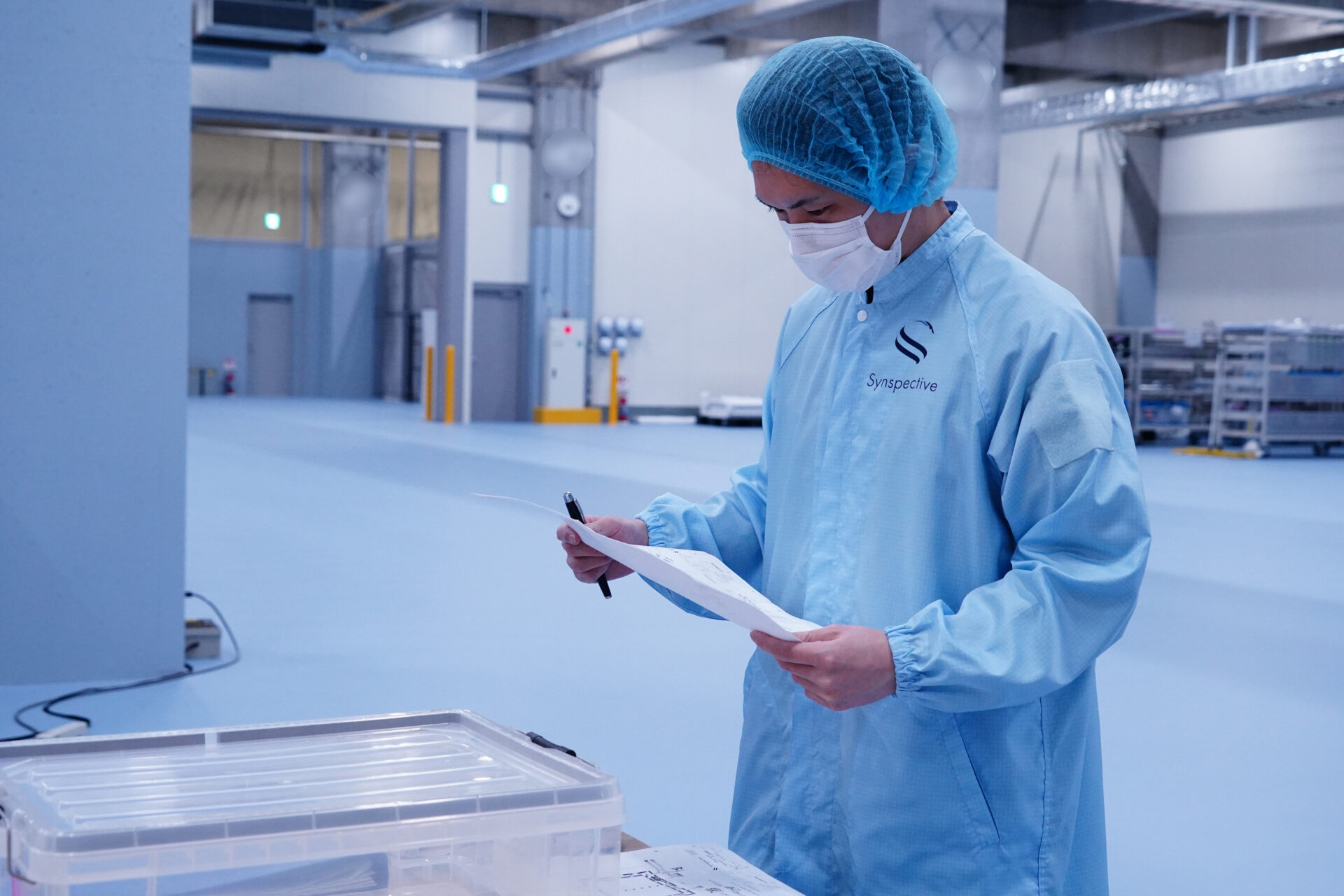
Satoshi: My main focus is improving harness specs and routing design. One thing I’m very passionate about is not just staying glued to a computer screen. I’m constantly down on the manufacturing floor. I like to get my hands on the actual hardware, or even scrap materials, to prototype and test my designs in the real world.
The best part is getting direct feedback from the assembly team. They tell me exactly what makes a satellite easier to build, and I can walk back to my desk and immediately reflect that in the blueprints. That tight loop between design and manufacturing is something you just don’t find everywhere.
A Culture of “Why,” Not Just “How”
Interviewer (PR): As an engineer, what defines the working environment here?
Satoshi: It’s fast-paced, but what really stands out is that we don’t just follow a handbook. Because we’re building something new, many of our design rules aren’t set in stone yet. This means you can’t just ask, “How do I do this?” You have to ask, “Why are we doing it this way?” We’re the ones digging into the logic and building the workflows from the ground up. If you’re the kind of person who likes to understand the reasoning behind a design rather than just following a manual, this is exactly where you want to be.
Interviewer (PR): That sounds challenging. How does the team support you?
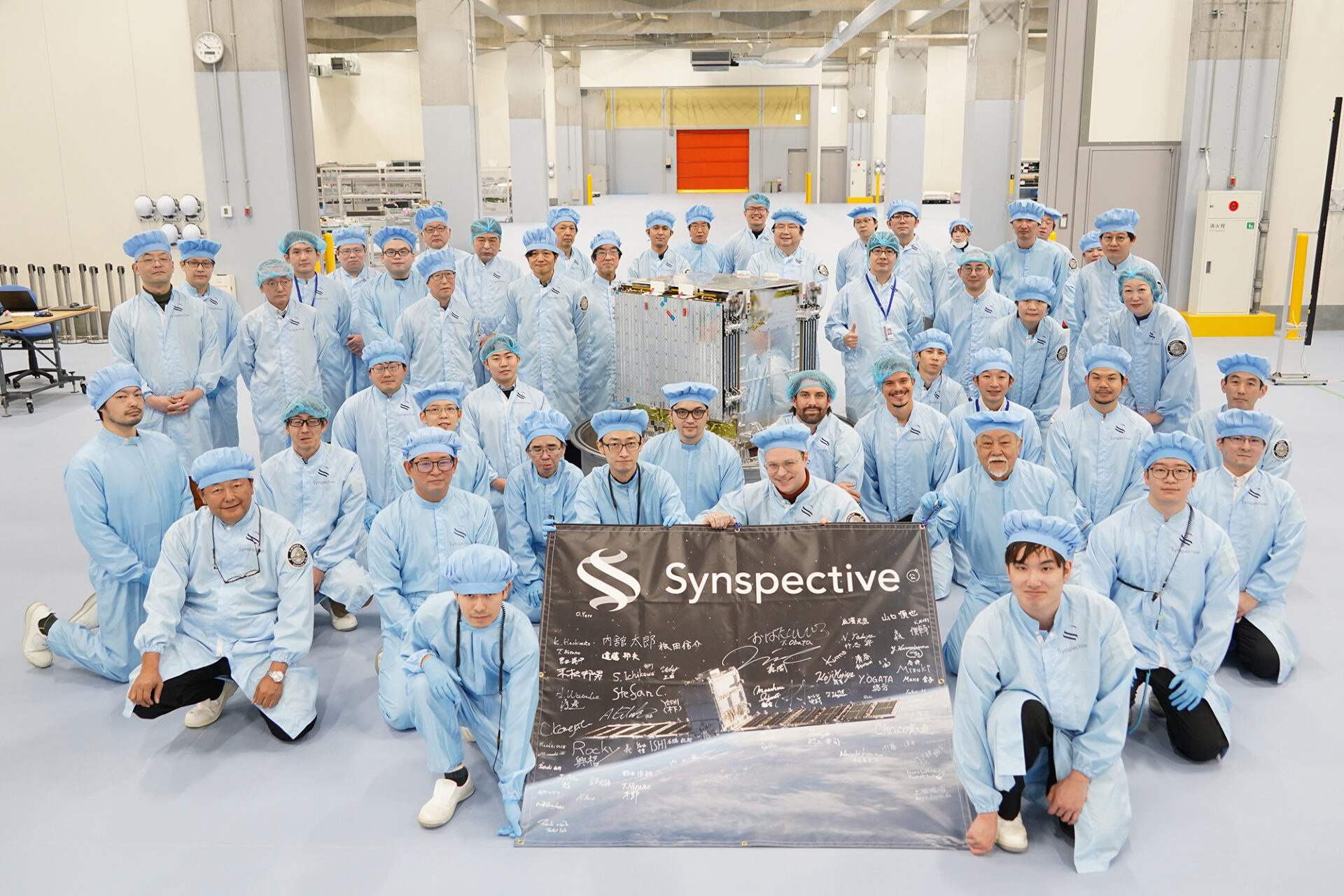
Satoshi: We have veterans here from all sorts of industries, and they are incredibly supportive—but they won’t just hand you a shortcut. When I run into a wall, they don’t give me the answer; they help me identify the right questions to find it myself. It’s a very fundamental, first-principles approach to mentorship. They challenge you to understand the “why” behind every wire and every connection, which has completely leveled up my problem-solving skills as an engineer.
A Message to Future Colleagues
Interviewer (PR): Any final words for people thinking about joining Synspective?
Satoshi: Don’t let a lack of space experience hold you back. Your skills are more relevant than you think. As we move toward mass production and higher efficiency, perspectives from other industries are becoming the new “must-haves” in satellite development. If you’re curious, proactive, and want to solve complex problems alongside diverse people and improve your skills, you’ll fit here perfectly.