

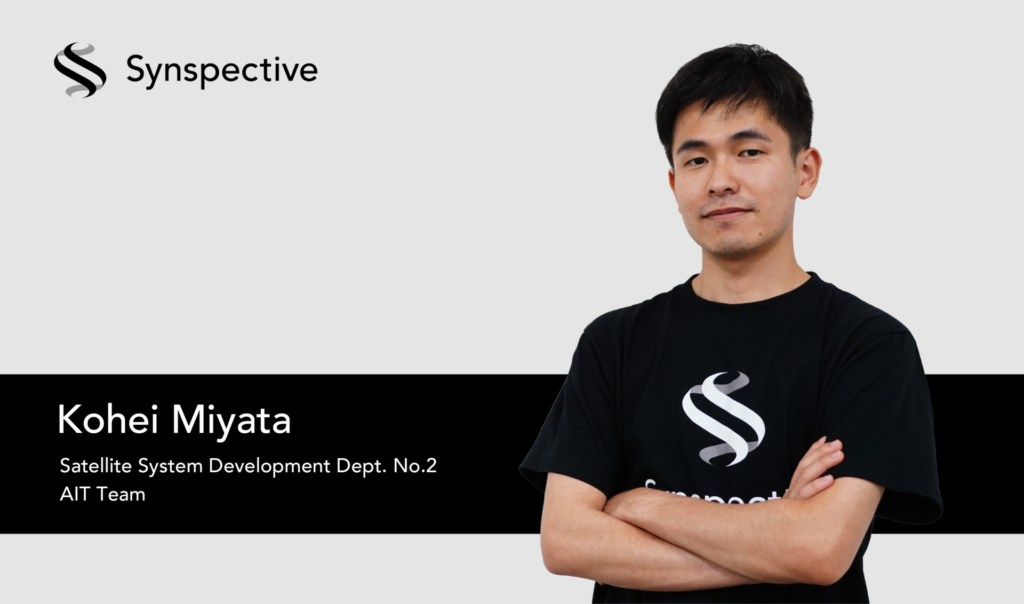
Kohei previously worked in the assembly and field adjustment of packaging machinery. Drawing on his background in manufacturing, he joined Synspective in 2024. Despite having no prior experience in the space industry, he has since become a core member of the AIT team, responsible for satellite assembly and testing, and is now also involved in developing processes for mass production.
— Can you describe the role of the AIT team in satellite manufacturing?
AIT stands for Assembly, Integration, and Test. Our team manages the final phase of satellite development, converting design specifications into a functioning spacecraft and verifying that it will perform reliably in the space environment.
Synspective is currently scaling up production of its own satellites. Our responsibilities extend beyond assembly to include developing the manufacturing line itself — establishing processes that maintain consistent quality while improving production efficiency.
— What does the manufacturing process involve?
The process consists of four main phases:
- Sub-Assembly: Individual components are assembled at the smallest unit level. This includes building the precision devices that form the satellite’s core systems.
- Panel Assembly: Sub-assembled components are installed onto the panels that form each side of the satellite. This phase includes harnessing, or wiring, which requires precise cable routing within a limited space without introducing mechanical stress.
- Structure Assembly: Individual panels are joined to form the satellite’s overall structure. This is the stage at which the spacecraft takes on its recognizable form.
- Testing and Handling: The assembled satellite undergoes testing to confirm it can withstand vibration and thermal extremes and that its electrical systems function correctly. This includes mounting the satellite on test equipment and making adjustments based on results, through to the final stages before launch.
Roles within the team are becoming increasingly specialized. For example, some sub-teams focus on testing while others concentrate on completing assembly work.
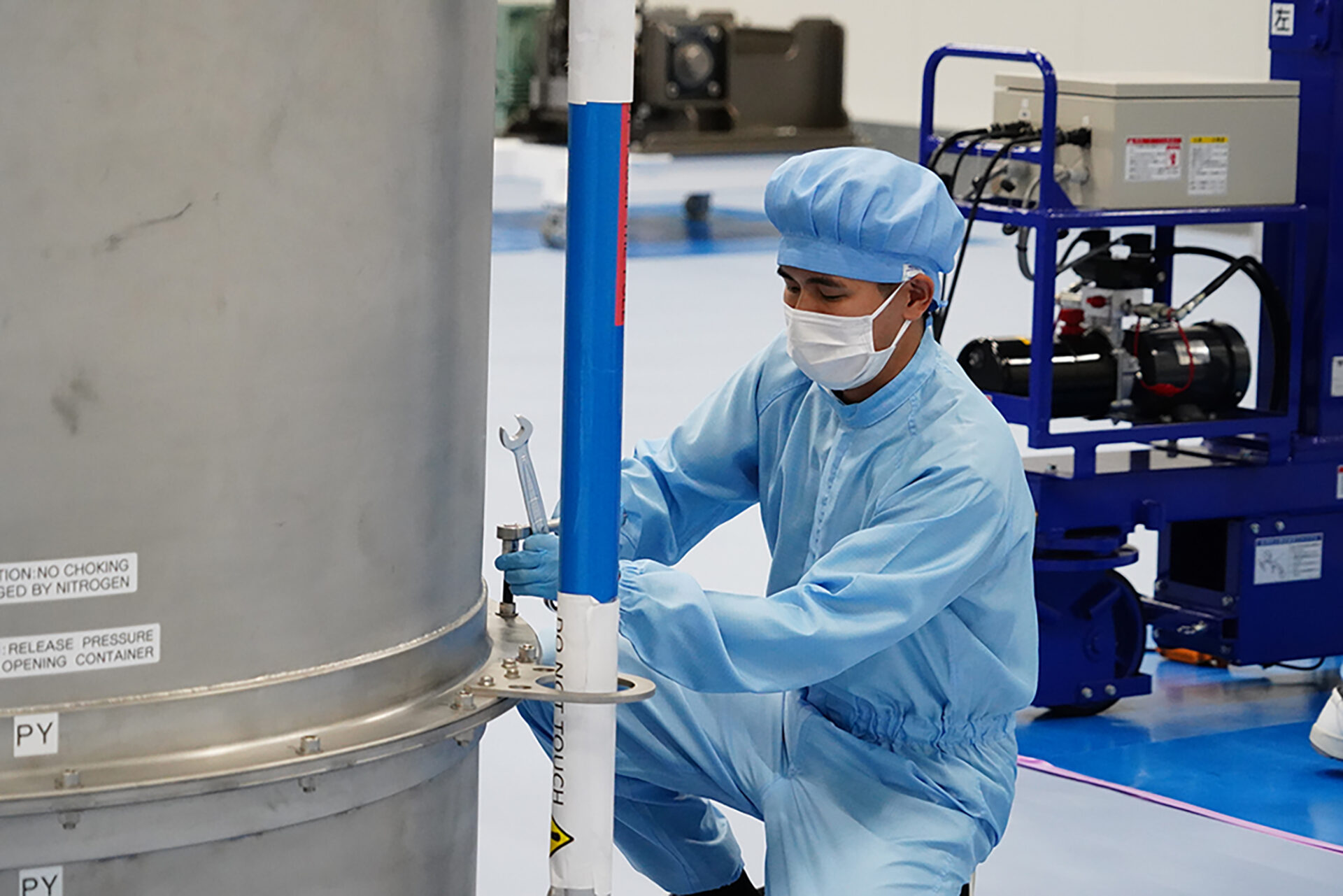 Preparing the satellite for shipment
— Coming from a different industry, what was your impression of this work?
The tolerances involved are extremely tight — in some cases, a deviation of one millimeter can be significant, since satellites cannot be repaired once launched.
Wire harness work requires particular care. An improperly bent wire can introduce electrical noise into signal paths. This aspect of the work is difficult to standardize in a manual, as it depends on tactile skill and experience. The team also works regularly with space-qualified adhesives and solvents, which require a solid understanding of their properties and safe handling.
— Synspective is moving toward mass production. What does that transition look like?
Previously, the focus was on building satellites individually with great care. The company has since set a target of producing 12 satellites per year.
When I joined two years ago, the company had a single satellite in production; today, multiple spacecraft move through the line simultaneously. To maintain quality at this pace, the team is working to document specialized skills into standardized, repeatable procedures.
The team regularly reviews ways to improve assembly speed and accuracy, adjusting the manufacturing line accordingly. I believe this kind of ongoing process development is characteristic of working at a company in a growth phase.
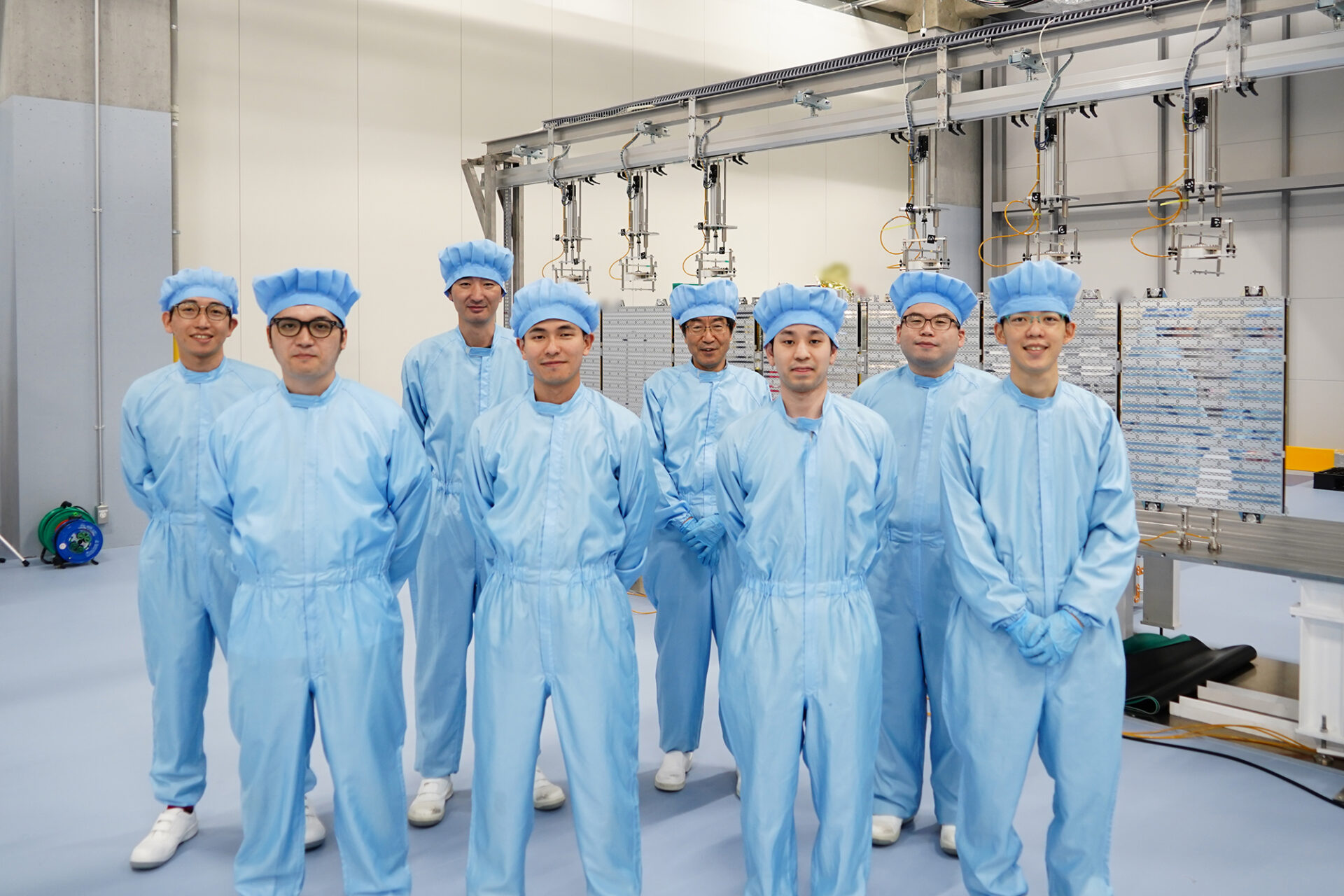 AIT team member from various background
— What qualities do you look for in team members?
Attentiveness to small irregularities — such as a bolt that doesn’t tighten as expected, or a wire under unusual tension — and a willingness to report those observations to design or production engineering teams are important traits.
Because manufacturing workflows are still being established, the role also suits people who are interested in improving processes rather than only completing predefined tasks.
— What message would you give to someone considering joining the AIT team?
The work is demanding: it involves wearing cleanroom suits for extended periods, occasionally working at height, and working long hours on detailed assembly. However, seeing a satellite you helped build reach orbit and produce its first images is a distinct source of professional satisfaction.
Prior experience in the space industry is not a prerequisite. Relevant manufacturing skills, attention to detail, and a willingness to take on new challenges are the key qualifications.
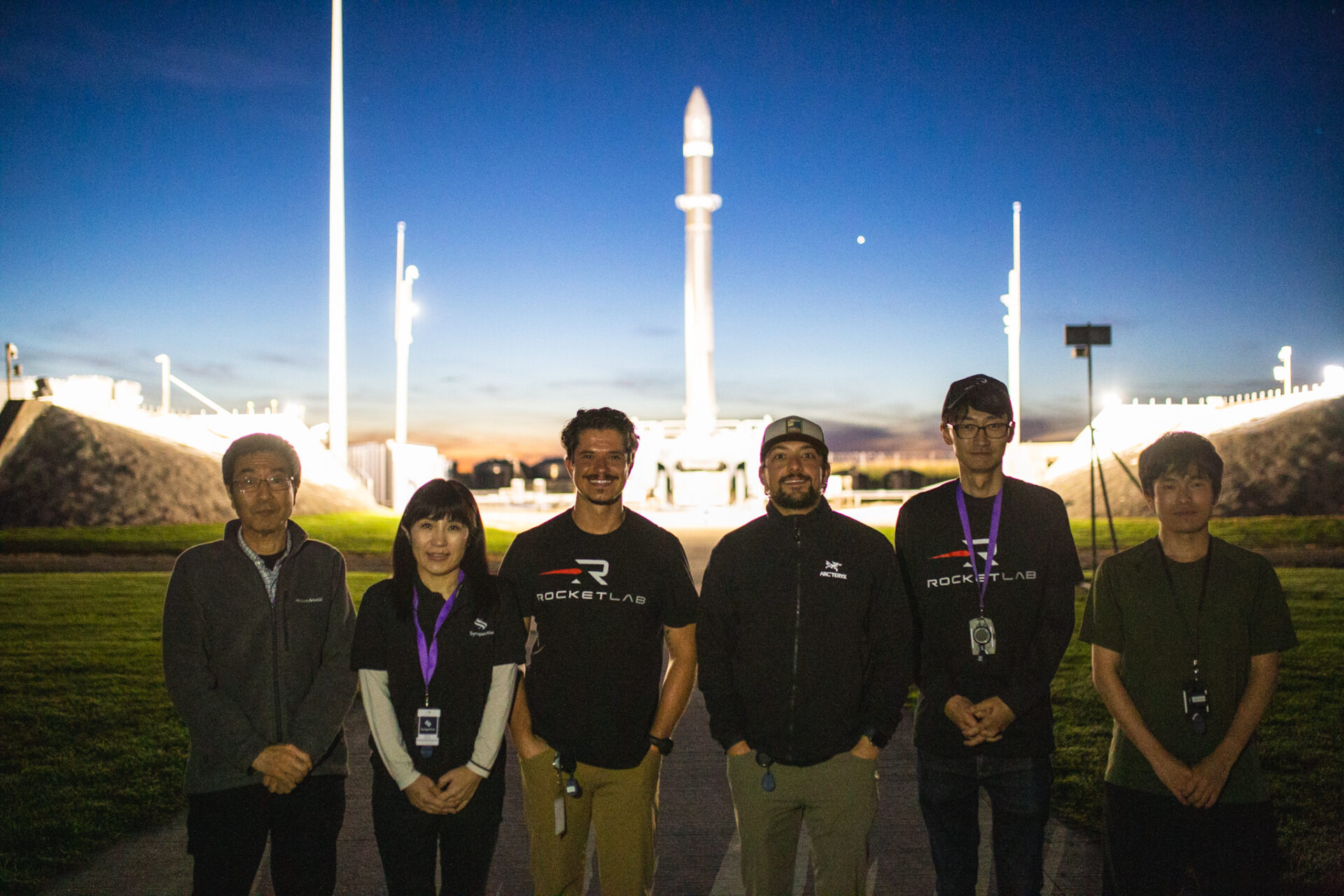 Photo with Rocket Lab just before the 9th launch